The Drive-In Movie Experience


About This Episode
Before multiplexes were the norm and long before streaming, the drive-in theater offered a movie-going experience unlike any other. In this episode, we’ll look back on the traditions, technology, and unforgettable memories that made the drive-in a beloved part of American culture. From giant outdoor screens and crackling window speakers to concession stand favorites and double-feature nights, we’ll revisit what made the drive-in a special destination for generations of moviegoers.
Participate in our listener questionnaire & automatically get entered in a drawing for a $50 gift card! genxgrownup.com/podsurvey
(May contain some explicit language.)
Patreon » patreon.com/genxgrownup
Discord » GenXGrownUp.com/discord
Facebook » fb.me/GenXGrownUp
Twitter » GenXGrownUp.com/twitter
Website » GenXGrownUp.com
Podcast » GenXGrownUp.com/pod
Merchandise » GenXGrownUp.com/merch
Theme: “Grown Up” by Beefy » beefyness.com
Apple » itunes.apple.com/us/podcast/genxgrownup-podcast/id1268365641
CastBox » castbox.fm/channel/GenXGrownUp-Podcast-id2943471?country=us
Pocket Casts » pca.st/8iuL
Audible » amz.run/6yhR
TuneIn » tunein.com/radio/GenXGrownUp-Podcast-p1020342/
Spotify » spoti.fi/2TB4LR7
iHeart » www.iheart.com/podcast…
Amazon Music » amzn.to/33IKfEK
Show Notes
- Jonathan S. Thank you for your Service!
- Why drive-in movie theaters are the slice of nostalgia we need right now » yhoo.it/4uN1qjE
- Amid development, nostalgic drive-in remains popular » bit.ly/4fkHXC4
- Drive-In Movie Nostalgia: Our Personal Tips If You Plan To Visit A Drive-In Movie Theater » bit.ly/4dIA2x5
- The History of Drive-In Movie Theaters (and Where They Are Now) » bit.ly/4dVlKbb
- Drive In Theater Showtimes, History, Photos and More » bit.ly/43IyjSw
- The History of the Drive-In Movie Theater » bit.ly/4uJj9bx
- The Days of the Drive-In Movie Theaters Through Rare Photographs, 1930-1950 – Rare Historical Photos » bit.ly/3RG5Udm
- Email the show » podcast@genxgrownup.com
- Visit us on YouTube » GenXGrownUp.com/yt
Transcript
| Jon | Welcome back Gen X Grown Up podcast listener to this episode 2. What i say? Episode 210? Oh, I say this backtrack, don’t I? That’s right. That’s right. Three, two. Welcome back Gen X Grown Up podcast listeners to this backtrack edition of the Gen X Grown Up podcast. I am John. Joining me here as always, of course, my buddy Moe. Hey, man. |
| Mo | Hey, how’s it going? |
| Jon | Good. You know, it’s not a show without George. Hey, George. |
| George | Hey, how’s it going, everybody? |
| Jon | Going well? You know, before multiplexes were the norm, and long before streaming, the drive-in theater offered a movie-going experience unlike any other. In this episode, we’ll look back on the traditions, technology, and unforgettable memories that made the drive-in movie… that made the drive-in a beloved part of American culture. From giant outdoor screens, to crackling window speakers, to concession stand favorites, and double in future… Wow. |
| Jon | ok From giant outdoor screens and crackling window speakers to concession stand favorites and double feature nights, we’ll revisit what made the drive-in a special destination for generations of moviegoers. |
| Jon | we were There’s so much to say about this. Normally at this point, I’m like, you know, we were talking before, but we got so much. Let me save it before we get into the show, because I have a lot I want to say about drive-in movies. But before we do, it’s time to jump into the fourth listener email. |
| Jon | The three of us are here. Some of us listen. And if anyone else does, you are our fourth listener. And for this episode, that fourth listener is Jonathan and S. Great first name, Jonathan, by the way. Well done. |
| Mo | this this |
| Jon | ah He wrote in about Chuck Norris, the episode we did on Chuck. |
| Mo | Okay. Was |
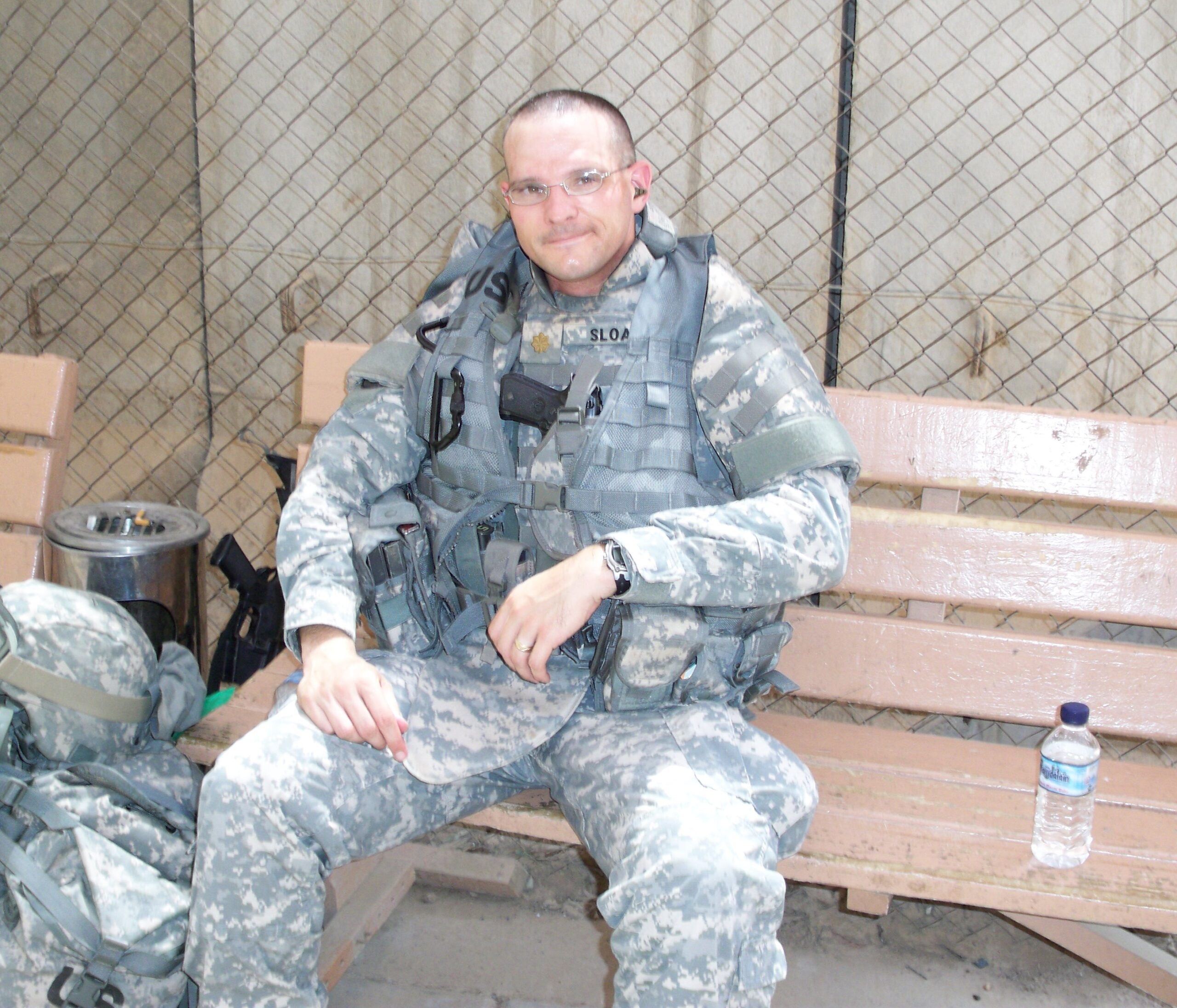
| Jon | He says, John, Moe, and George. I first became aware of the Chuck Norris jokes in 2008 when I was deployed in Iraq. My office living area was in the first part |
| George | Yeah. |
| Jon | My office living area was in the part of Baghdad called the Green Zone. |
| Mo | it? |
| Jon | We had a landing zone only for smaller helicopters like the UH-60 Blackhawk. |
| George | Oh. |
| Mo | Mm |
| George | Blackhawk, yeah. |
| Jon | ah Yeah. |
| Mo | hmm. |
| Jon | Which would take you to Baghdad International Airport where you could catch a CH-47 Chinook helicopter or a C-130 cargo plane if you had to travel farther. |
| George | More likely, yeah. |
| Mo | Yeah. |
| Jon | Yeah. Wow. |
| Mo | Yeah, the 130s was big, huge place, isn’t it? |
| Jon | Is |
| George | The 130s are the main transport vehicle for the military, yeah. |
| Jon | that like… |
| Mo | Yeah. |
| Jon | Is it? Yeah. Yep. That’s like the big one that always see. It has like the, the, the, the patch back. |
| George | the Yeah, in the front. |
| Mo | Yeah. |
| Jon | It opens the the trunk over the |
| George | Yeah, exactly. |
| Mo | Yep. |
| George | They used it in the World War Z movie. |
| Jon | Yeah. Yeah. |
| Mo | Hatchback. |
| Jon | the like |
| Mo | Yeah. |
| Jon | Like that. |
| George | Yeah. |
| Jon | James Bond will drive a car out the back of it or something. |
| Mo | Oh, |
| George | ah Exactly, yeah. |
| Jon | Right. One of those things. Yeah. Okay. Anyway, that’s not what we’re talking about. Jonathan says the landing zone had a wall where those waiting for their flights would write Chuck Norris jokes. |
| Mo | ah that’s cool. |
| George | ah |
| Jon | Yeah. He says, i this is sad. The next thing I hoped he had said was, here’s a picture. He said, I wish I’d had the foresight to take a photo of that wall. But unfortunately, I did not. But I do have a photo of me waiting at that landing zone, which, by the way, Mo, I’ve thrown to you. |
| Jon | If you don’t mind, throw it in the show notes and we can share a picture of Jonathan sitting there waiting for his plane in Baghdad. |
| Mo | Oh, absolutely. Sure. |
| Jon | I says, great episode, guys. Thanks, Jonathan. |
| Mo | Very cool. |
| Jon | Yeah, that’s cool, John. I wish you had taken a photo of that. I know you do too. and And by the way, thank you for your service. Of course, goes without saying, we really appreciate you. And we love that you listen to the show. We love that you enjoy the Chuck Norris episode and that you wrote in. |
| Jon | Fourth listener, if you would like your email featured here on the show, it’s drop dead easy. Just hit us up at podcast at genxgrownup.com. Read every single one. And most of them eventually make the show. All right, we’re going jump into this backtrack all about the drive-in movie experience right after this. |
| Jon | All right. |
| Jon | We’re talking in this episode about our memories of and the legacy of drive-in movie theaters, particularly here in North America, in the U.S. And, you know, we’d made a bunch of notes about the history of movie theaters and all that. And that’s still in the show. |
| Jon | But it occurred to me that. Some people listening might not quite be old enough to have actually experienced drive-in movie theater. And they might go, a drive-in? We have one of those McDonald’s. What’s the big deal? |
| Mo | That’s a drive through. |
| Jon | So I thought, the drive-thru, right. |
| Mo | ah |
| Jon | So I thought maybe we should take a second to explain what the heck a drive-in even is. |
| George | Well, first of all, some of the people speaking on this podcast might be too young to have remembered what a drive-in movie theater is. |
| Jon | Yes. |
| Mo | yeah |
| Jon | That’s a really good point too, |
| George | 71. |
| Mo | Yeah, we kind of cut the tail end of it. |
| Jon | Right. |
| George | Yep. |
| Jon | Right. So Mo is the oldest of all of us. I’m two years younger than Mo, and George is even two years younger still. So George, you were born, it was at 71, I think, as as I recall, right? |
| George | seventy one yep |
| Jon | Yeah, 71. So yeah we’ll talk about later. Drive-ins were pretty well on the way out. Mo had a few more years, and I had a couple of more years. Yeah. A drive-in. A drive-in movie theater. |
| Jon | Before there were multiplexes and stuff, there was, it was like this field with a giant wall that they would project movies on and you’d drive your, that you’d pay like at a little booth, like at the drive-thru. |
| Mo | Yeah. |
| Jon | You’d pay, here’s my ticket for how many people in the car. You drive in, you park, and somehow they will talk about how they did it, but somehow they would get the pipe them the audio to you one way or the other. |
| Jon | And you sat in your car to watch a movie rather than going in somewhere. |
| Mo | Yeah. |
| Jon | So ah for all the good and bad that that brings along with it, you parked in your car to watch a movie. We’ll talk about some of those. |
| Mo | just It does sound weird when think about it now. Yeah. |
| Jon | It sounds like I’m making it up, right? |
| Mo | yeah |
| George | I mean, there are people who do this now, though, with just a different form of technology, right? I mean, people… |
| Jon | Like those inflatable deals. Yeah. |
| George | No, not even that. I’m not talking about the backyard stuff or anything, the outdoor theater experience. |
| Jon | No? |
| George | I’m talking about in their vehicles. People… I know people that will buy the big tablet displays or cars that have them and will park somewhere with a friend and just watch a movie. |
| Jon | Oh, watch the screen inside the car? |
| George | Yeah, absolutely. |
| Jon | is that what you mean? |
| George | Absolutely. |
| Jon | Oh, well, you know, it’s a great sound system. I can’t. |
| George | Yeah. |
| Jon | Why would you sit out in the van in the driveway and watch a movie? |
| George | I mean, they don’t always sit in in the driveway. They drive to a nice scenic place. They park their vehicle and then they watch a movie. |
| Jon | Okay. All right. |
| George | There’s a lot of YouTube videos on people living in those. |
| Jon | Really? Mm-hmm. |
| George | Yeah. Living the car van life and doing this kind of thing. |
| Jon | Hadn’t thought of that. |
| George | It’s very popular. |
| Jon | Okay. |
| Mo | Okay. |
| Jon | Huh. All right. |
| Mo | Huh. |
| Jon | So I guess you could still drive in, but the screen now is inside the car. They brought it inside. so So to that end, let’s talk a little bit before we jump into the history of of drive-ins. |
| George | Exactly. Exactly. |
| Jon | Let’s talk about our experience with drive-ins. I want to start with you, Mo, since you are the senior of us. |
| Mo | Yeah. |
| Jon | You probably have the most experience. |
| Mo | ah |
| Jon | What’s your memories of or experience with drive-ins? |
| Mo | there It’s kind of funny because growing up in New York City, obviously New York City had very little space to put a drive in theater, but there was one. |
| Jon | Right. Yeah. |
| Mo | at Whitestone in in the Bronx. |
| Jon | Oh. |
| Mo | And it’s actually been there since like the thirties or four. I mean, it’s, or since I guess like early days, like in the forties, something like that. And it was like something we did in the summer. Like usually was like twice a summer. I remember as a kid, my dad’s like, either he’d be fed up with us or something. |
| Jon | Hmm. |
| Mo | He’s like, Oh yeah, go do something. And he’d us in the back of a station wagon. We drive to whatever movie was showing. I think, I don’t think he checked to even see what movie was showing, you know? |
| Jon | You just go to go. |
| Mo | We just go to go. |
| Jon | See what was. |
| Mo | ands just for the the ah family event kind of thing. |
| Jon | Yeah. So you went a couple of times a summer. Really? Yeah. |
| Mo | Yeah, I mean, like, I mean, honestly, probably the whole total maybe went maybe eight times. |
| Jon | Okay. Yeah. |
| Mo | You know? |
| Jon | Yeah. My experience is pretty similar with that, I guess. I probably went half dozen to 10 times or so somewhere in there. |
| George | Yeah. |
| Mo | Yeah. |
| Jon | and I remember we went to sit down movie theaters, but also sometimes it was just a different thing. you know it’s like It’s like going to the lake versus going to the pool. you’re Both of them, you’re getting wet, but it was just sometimes you want to do something different. |
| Mo | instance instance |
| Jon | And the nice thing about the drive-ins that I remember my mom would… She would pack sandwiches and stuff, right? Because the concession prices are too high and whatever. |
| George | oh |
| Mo | Too expensive, yeah. |
| Jon | I still i still begged money, but we would bring our food along and we’d you know eat in the car and we’d watch the movies and stuff. |
| George | yeah |
| Jon | I remember that i I never saw anything at the drive-in that I cared about. Like, it wasn’t like, I can’t wait to go to the drive-in because I don’t think we, maybe maybe we didn’t know. |
| Mo | Yeah. |
| Mo | To see this movie. Mm-hmm. |
| Jon | We just went for whatever was showing, really, you know, like you said. But I went a bit and I i don’t have super fond memories of all of it, but I certainly remember going often enough that it’s going to work here. |
| Jon | George, how about you? Youngest of us. |
| George | yeah No, i I didn’t get to go at all. So we moved to Florida when I was three years old, 1974. |
| Jon | Hmm. |
| George | And I looked it up when we were planning for this because I was like, I kind of remember my parents talking about driving. There was two there were two drive-in theaters in town. One closed in the 60s, so long before I was even born. |
| Jon | Yep. |
| George | And the other one closed in 75. |
| Jon | Mm-hmm. |
| George | So just a year after we got here. So If we went to it and my mother can’t remember if we did or not at that point, but if we did go, I would have only been four at the most five or, you know, three to four years old. |
| Jon | Yeah. Barely. Yeah. |
| George | I can’t remember anything like that. |
| Jon | You weren’t even watching the movie. |
| George | Um, so. |
| Jon | You were just in the car, if anything, right? |
| Mo | Oh, |
| George | Well, no, and I think that’s that’s an important point because as we’re going to get into discussion about why drive-ins are important to people, you mentioned, John, you didn’t see anything there that you were interested in remembering. |
| Jon | Yeah. |
| George | But I think that’s because of the age that you were when you went. You were so very young. I think drive-ins were… more important to people of driving age. |
| George | So like 16, 15, up to like 25, because I think drive-ins were less about the family experience as they moved on and more about the camaraderie going to your friends. |
| Mo | yeah. |
| Jon | Sure. Yep. |
| George | So for us, the mall replaced drive-ins, in my opinion. We would go to the mall, to the food court to hang out. |
| Jon | I can see that. That’s good argument. Right. |
| George | I think the older generation would go to drive-ins to hang out. |
| Mo | Yeah. |
| Jon | yeah That’s probably fair. Yeah. So we did a little bit of research and we dug in. So we have different experiences with drive-ins. So we’ll layer that onto what we’re doing here. But I was surprised really how far back drive-ins kind of started cropping up. |
| Mo | Yeah, I know. Actually, it went way further back than I thought it would, actually. um So the first one they had was like, I know if it’s really the first drive in, but it was a place where you actually could drive your cars up to see things. |
| Jon | Mm-hmm. Hmm. Hmm. |
| Mo | So they actually had seats and then they had room for cars, which is kind of weird. It was a place. |
| Jon | Yeah, is weird. |
| Mo | Yes. The Theater de Guadalupe in La Cruces, New Mexico. And it opened April 1915. |
| George | Hmm. |
| George | Wow. |
| Mo | um So they had place for people to sit, but they had places for 40 cars. to watch. I mean, i guess in the back, I’m assuming. |
| Jon | I guess. |
| Mo | And this is also back. It wasn’t just a movie theater. It was like live performances, things on stage, that kind of stuff as well. |
| George | Oh, sure. |
| Jon | Mm-hmm. |
| Mo | So, you know, I guess if you didn’t like people, it’s a good way still get the arts. I don’t know. |
| Jon | I don’t want to sit in the chairs. |
| Mo | It’s odd. |
| Jon | I’ll stay in the car. |
| Mo | Yeah, I’m just to stay in the car, you know. But yeah, that was the first, apparently the first kind of quasi-driving that I was able to find. |
| Jon | Okay. |
| George | it kind of makes sense that it was in a place like New Mexico, because if you think about it, big, wide open spaces, you wouldn’t expect the first drive in to be in New York city, right? |
| Jon | Yeah. |
| Jon | Right. |
| Mo | Right. |
| Jon | Mm-mm. |
| George | Because it’s too congested buildings everywhere and all like that. So I get why that would be a place. I do think it’s very interesting that you mentioned it had seats and cars, because I’m trying to think if it’s a place that you had to drive to with your vehicle, |
| Mo | Mm-hmm. |
| Jon | Right. You got to park somewhere. |
| George | how close was it that you could walk to sit in a seat? |
| Mo | Yeah. |
| Jon | it just occurred to me, 1915, cars weren’t all that common. Maybe cars were so fancy, you don’t want to get out and let somebody mess with your car. |
| Mo | No, no. |
| George | No. |
| Jon | mean, like, I’ll stay in my car. |
| George | That’s… |
| Jon | Thank you. |
| Mo | It was like a status thing, you know, it was like, yeah, I’m a. |
| Jon | Right. |
| George | Like, especially, you said there were 40 car slots? |
| Jon | That’s like being in the box seats. Yeah. 39. |
| George | Like, how many cars were in New Mexico in 1915? |
| Jon | Exactly right. |
| George | There couldn’t have been many more than 40, right? |
| Mo | Yeah, really. |
| Jon | thirty nine exactly right |
| Mo | Yeah. |
| George | Ha ha ha ha ha. |
| Mo | It was like a huge flex back then, you know, I’m going to come up in my car and I’m never going to get out. |
| Jon | but Oh, you’re too good for the seats. |
| Mo | Yeah. |
| Jon | Yeah. The next one I found reference to was almost half a decade later. and That was in Comanche, Texas. And it was it was not a dedicated drive-in, but it was a regular thing that they did in Comanche. |
| Jon | ah This guy in Comanche, Texas got permission from the city to project films onto a building downtown and… |
| George | Okay. |
| Mo | Okay. |
| Jon | He arranged to get a license to basically block traffic, allowed cars to park bumper to bumper in the streets. So they had a view of the building and they were showing silent films. |
| Jon | So no concern about sound or anything like that. |
| Mo | Oh, okay. That makes sense. |
| George | Sure. Yeah. |
| Jon | So it’s not, it wasn’t like a drive-ins like we think of them where it’s a dedicated place and it’s built a certain way. |
| Mo | Right. |
| Jon | And it was, know, but it was cars sitting in your car, watching a movie in a organized kind of location. |
| Mo | That’s interesting. |
| George | You know, when you think about it, though, any theater, if you have a strong enough bumper and a lot of gas, any theater can be a drive-in. |
| Jon | Yeah. Yeah. |
| Jon | but You’re |
| Jon | going to get these next two, Mo? |
| Mo | Oh, do you say? Okay. |
| Jon | I just didn’t put your name on them, so. |
| Mo | Oh, gotcha, gotcha. in |
| Mo | So besides crashing through walls, I guess, to do it, um actually somebody, um a Richard Hollinghead actually did a patent for in a drive-in movie theater back in May of 1933. |
| Mo | And the patent actually has like the idea of the, I think it had the angled things you drive up on. |
| George | Hmm. |
| Mo | So the cars are pointing slightly up. |
| Jon | Mm-hmm. |
| Mo | It had the speaker. it had, you know, it had the the post that the speaker’s on that you could actually attach to your car. |
| George | Oh. |
| Mo | So, I mean, I can see why it’s like patentable because it was kind of a different idea. But he had the patent. |
| George | Sure. |
| Mo | And then right after that, I guess, Hollingshead also opened up a theater. Obviously, if you can open a patent, going open a theater in New Jersey on June of 1933. |
| Jon | Here we go. |
| Mo | So summertime makes perfect sense. 400 spots. And it was a 40 by 50 foot screen. |
| George | You know, he must have put that patent in a while back and just been waiting on it. Because look at the time frame. It’s just a month between when his patent was issued and when he opened up he He had that thing built. |
| Mo | oh yeah. Yeah. |
| Jon | Mm-hmm. Right. He was ready. |
| Mo | Yeah. |
| George | He was just waiting for that patent to come through. |
| Mo | Because he didn’t want to do because then everyone would copy his idea, right? |
| George | Exactly. |
| Jon | Right. |
| Mo | so but yo So he was the pioneer of this whole thing. |
| George | Wow. |
| Jon | It makes me think of the Florida project when Walt Disney was putting up Disney world and he just bought the property, but didn’t tell anybody what he was doing. |
| George | Right. |
| Jon | And then later, Oh, by the way, it’s a theme park, right? |
| Mo | okay |
| Jon | When it was getting closer to construction. Yeah. He snuck around there. Now you, you mentioned a little bit, the touched on the audio and I said, the early ones were silent films. So at first, the early drive-ins had sound issues. |
| Jon | What they started with was they would put giant speakers on towers by the screen and crank it up to 11 and blast the sound at the cars. |
| Mo | Oh my God. Yeah. |
| George | Ah. |
| Jon | So first, noise pollution. So if for anybody to hear it beyond the first row, right? |
| Mo | yeah |
| George | People complaining. |
| Mo | Neighbors were happy. |
| George | Yeah. |
| Jon | But more importantly, you’re parking cars. and you’re you know What that first one have? 400 spots? |
| Mo | Yeah. |
| Jon | You’ve got figure that’s 20 rows of 20 cars or something. So that’s hundreds. That’s a couple of football fields back by the time you get to the last car. There was a sound delay between the screen and the people in the back. |
| George | hmm. Sure. |
| Mo | Oh, yeah. |
| Jon | And so… |
| George | yeah like when you’re at a concert, you’re right. |
| Mo | Yep. Yep. |
| Jon | Right. |
| George | Yeah. |
| Mo | Yeah. |
| Jon | So if you didn’t park up front, nothing was in sync. So later, they the next thing they tried, this was funny. this This is only a Band-Aid approach. He said, let’s just put another, instead of giant towers, let’s put a row of speakers in front of each row of cars. |
| Jon | So you each have your loud noise pollution, but it’s in sync, right? So that made sense. But but then, i know. |
| Mo | did it |
| Jon | Well, it made more sense than ah like a this the concert towers that are blasting. |
| Mo | ah That’s true. |
| Jon | No, 1941, the in-car speaker was introduced by RCA. So they invented it because they saw there was a need. |
| Mo | don’t know. |
| Jon | So that was only, what, eight or nine years after the first yeah yeah after the first one came out. |
| George | Eight years. Yeah. |
| Jon | And so we’ll talk more about them, but they… We’ll definitely talk more about them, but it was a big part of the drive-in. It had individual volume control and was for your car specifically, but it introduced other problems that the theater owners hated. But that was pretty much what we had until later on. We’ll talk about how they improved it further later. |
| George | You know, that’s a nice way to see the evolution of how these things developed, right? So Moe’s first one, 40 cars and a bunch of seats. Then the guy patents one. |
| Jon | Mm-hmm. |
| George | And then we got giant speaker towers. And then we have speakers in rows. And then we move into the individual speakers for each car. Each one of those is a natural progressive step. |
| Jon | Yeah. |
| George | It’s just funny to me to look at how long that takes because it’s 25 years roughly from 1915 to 1941 for the whole process to go through. |
| Jon | Yeah. |
| George | Imagine if it took 25 years for a technology to develop that far today. |
| Jon | Yeah. |
| George | People would abandon it immediately. |
| Mo | Oh yeah, big time. |
| Jon | Right. |
| George | They there would have no patience. |
| Jon | Well… |
| George | Oh, this didn’t kick off in the first six months? Throw it in the trash. |
| Jon | Yeah. |
| George | We’re done. |
| Jon | At first, it wouldn’t take that long. Somebody would fast track it and someone would, you know, they’d take it on a Shark Tank and they’d get funding and they’d do it in six months. |
| George | mm-hmm yeah |
| Mo | e |
| Jon | That’s what they do. Right. Back then, people were bootstrapping it. That’s that’s how the states were back then. |
| Mo | Yeah. |
| Jon | Yeah. |
| Mo | Like say that, you know the peak of this thing, like said, we were kind of a cut, just the tail end of it um because it really peaked from the forties through the sixties. |
| Jon | Yeah. |
| George | sure okay |
| Mo | know, when cars are huge, car culture was very big. |
| Jon | Yeah. |
| Mo | And it at the peak though, there were over 4,000 drive-in theaters across the United States at his peak. |
| Jon | Yeah, yeah. it was I don’t think you can… You think back to ah you know how it appears in like some movies and TV shows and stuff. ah You’re right, George. |
| Jon | It was kind of the mall for the last generation. |
| George | Yeah. |
| Jon | The boomers, it was a place to hang out, the concession stand. |
| Mo | Because you hung out, right? |
| Jon | Where are you going to meet up? Well, the malls weren’t around yet. we’ve talked about We talked about the mall experience in another backtrack before that was around. |
| George | Mm-hmm. |
| Jon | kids need somewhere to congregate and do something fun and cut up and meet and, you know, play grab ass and find out who broke up and who got together. That was what the mall was. And the movie theater drive-in was that for them. |
| George | Yep. |
| George | You know, it’s funny. You mentioned that at the peak, there were 4,000 screens across the the U.S. |
| Jon | Hmm. |
| George | s In Florida today, there are four. |
| Jon | Yeah. |
| Mo | yeah |
| Jon | Yeah. |
| George | I looked it up. |
| Jon | Talk about a crash. |
| George | There’s one in Lakeland, one in Ocala, one in Ruskin, and one in Dade City. |
| Mo | Wow. |
| Jon | Yep. |
| George | I kind of feel so nostalgic for something that I never actually remember going to that I want to go to one of these places and go watch a movie just to experience it, right? |
| Jon | Mm-hmm. |
| Mo | Go to one just to experience it. |
| Jon | Yeah. Yeah. |
| Mo | Yeah. |
| George | I mean… Why do I have nostalgia for something I don’t even have a memory of? I have no idea. But probably because of something we’re going to talk about later um that, yeah, I didn’t have it firsthand, but there was another way to experience it |
| Jon | Yeah. yeah |
| Jon | Yeah, and shit, what was about to say? I held up my hand and I forgot. You were talking about my field phone port. Shit. |
| George | was talking about having nostalgia for something I didn’t have a memory for. |
| Jon | I’ll think of it. |
| Jon | Mm-hmm. Mm-hmm. What were talking about right before that? |
| George | There only being four in Florida. |
| Jon | Oh, 4,000 dropped to 4. I got it. I got got it. Yep. I got it. I think two of those you listed are in my home county where I grew up in Polk County. Lakeland for sure is. And that Ocala might not just, just nearby there, but in central Florida where I grew up, they were huge. |
| George | Right. |
| Jon | We had, we had probably, |
| George | Mm-hmm. |
| Jon | There was one within 10 minutes of my house, but also there were probably six within 30 minutes of my house, depending on direction you wanted to go. It was, and as you said, Mo, they had kind of phased out. So I was there in the 70s, right? Late 70s, early 80s when I would have gone. |
| Jon | And there were cineplexes, but sometimes we just wanted to go to the movie theater and we wanted to sit in our car and do it. And there are a lot there were a lot of details about going to the drive-in that made it better. We’re going to talk about those things right after we get back. |
| Jon | Okay. I saw an out. Did I skip anybody? |
| Mo | No, that works. That works. |
| George | Yeah, no, I was just looking up directions. |
| Mo | No, you’re good. |
| George | Apparently there’s one that’s only two hours from me in Alabama. |
| Jon | Yep. There’s one. Oh, I remember the other thing I was going talk about, but I’ll find another place. It’s, I watched a documentary about one. The biggest challenge they have is all the old equipment. Well, like remember the, is it Kevin Smith has that theater and they were talking about preserving old prints versus digital. |
| George | Yeah. Mm-hmm. |
| Mo | Right. Yeah. yeah |
| Jon | Same problem with these drive-ins. They don’t have digital projectors. |
| George | Exactly. |
| Jon | They have old. |
| George | Exactly. |
| Mo | Yeah. |
| Jon | We just talked about the history and how it took almost 25 years for for these driving movie theaters to mature. And then they only stuck around for 20 years or so after that. it’s funny. That took um longer to come around than they did to live to live out their life. |
| Jon | But one thing we talked about was the challenges with audio. And we touched on that speaker, Mo. |
| Mo | Yeah. |
| Mo | Oh, yeah. that I mean, you still remember that thing. It was like it was on a like a pole next to your car, right next to the driver’s side. You basically had to grab it. |
| Jon | Yep. |
| Mo | You had to roll up your window to to lodge it in. it like It hung off the window yeah on your driver’s side. You had to roll up your window, otherwise it would just fall. So you had to roll up the window to keep it in place. |
| Jon | e |
| Mo | And sound quality was terrible. It was a mono speaker. |
| Jon | Oh yeah. |
| Mo | you know And I think there was a big problem with people driving off, forgetting to take them out. |
| Jon | Mm-hmm. Yep. |
| Mo | and it’d rip it rip it right off or rip off your window or something bad would happen. |
| Jon | Yep. |
| George | Sure. |
| Jon | Yeah. |
| Mo | and And the other thing is that, you know, you could actually hear sometimes the card next to you speaker too, which is makes it even worse, you know, so it had all sorts of problems. |
| Jon | Weird. Weird. |
| Jon | Yeah, definitely people driving off was a big deal. You know, when I think of those speakers, I think of, uh, you ever go speak of the drive in, you ever go to the Sonic drive in and they have those trays with a rubber hooks and you have to roll your window up a little bit to hang your tray on there. |
| Mo | Yeah. |
| George | Uh-huh. |
| Jon | It was kind of like that, but without the courtesy of the nice rubberized hook, it was just this metal plate. |
| Mo | He has a metal thing. Oh, yeah. |
| Jon | They’re like, hang this on your window and roll it up. |
| George | yes |
| Jon | And, uh, I remember at my theater, it was such a big problem because people would drive off and the the cable was like a braided cable. it was pretty strong, but you’d snap it because you drive off in a car and people would be embarrassed they did it so they wouldn’t stop. |
| Mo | oh yeah |
| Mo | is keep going |
| Jon | And so, right. So I remember there being an interstitial before the movie that said, hey, if you drive off with the speaker, just stop by the front desk and drop it off with us. |
| Jon | There will be no charge because otherwise they have to buy another speaker because nobody would tell them, right? |
| Mo | Yes. Yes. |
| Jon | They were afraid they would get penalized. Don’t worry. Just pop it in. |
| George | At least it’s a little less dangerous than when somebody does it at the gas station. |
| Jon | we’ll We’ll accept it. |
| Mo | yes |
| Jon | Right, right. you’re not You’re not leaving a trail of flammable fluid on the way. Now, that speaker thing was the bane of of so many drive-in theater owners, of course. The thing that got better later is something they call micro-broadcasting. And this plays in a little bit to what you were talking about, George, how you said people now living van life will will watch inside of their inside of their the vehicle. |
| Jon | they would micro-broadcast on an FM channel that wouldn’t go too far, just kind of like, you know in the area of where my drive-in is. And if you live, you know, a mile away, you’re not going hear it. But you could tune in on your FM radio. So the benefits were, first, no speakers. |
| Jon | Second, the sound quality is better because it’s… |
| George | Right, because it’s through your car speakers. |
| Jon | Well, unless you have a shitty car, I guess, but probably better than that mono speaker. |
| Mo | Right. |
| George | Wow. |
| Mo | That was definitely better than mono. |
| Jon | and And it was stereo. You had control of, it was your stereo. It wasn’t just volume. |
| George | Right. |
| Jon | You had volume and you could EQ it however you wanted. And you could hear, think about how, think about how like a great film these days. Imagine seeing Jaws at the drive-in in mono. |
| Jon | How much work was put into the soundscape and the score and everything and John Williams music. And you’re just know that’s all this on that little speaker, this mono. |
| Mo | Yeah. |
| Jon | So broadcasting of our FM made it so much better. It it got rid of the cost of replacing speakers and it just made overall but way, way better than putting on a giant tower up front and shooting it across the football field. |
| Mo | yeah And the other thing they had is the issue is, you know, if everybody parks on a flat surface, they’re you’re not going able to see. the people in the back will not be able to see because it’s just, you’re going the people in front of you will just be in the way. |
| Mo | So what they actually did is they actually had slanted parking spots. |
| George | Oh. |
| Mo | Like you drove up a little ramp. ah Each parking spot had its own little tiny ramp. So your nose was pointing up a little bit. So you’re kind of looking up at the screen rather than trying to like, you know, like you ever get too close to a traffic light and you have to kind of bend down to see it, yeah to see a same kind of issue, except they solved it by actually having a little incline that you could pull up that when you pulled up your car was, it wasn’t huge, but it was a, it was enough so that you could sit back and see the movie very clearly. |
| Jon | Yeah. |
| Jon | Same problem, right? |
| Jon | I think like we’re just |
| George | I guess that makes sense because I’m thinking like when you said that people would be blocking you, was like, could they really block you that much? Cause the screen is really big and up high. How much were they blocking you if you were behind them? |
| George | But the angle part, when you talked about the street light, that makes a lot more sense for that incline because I’m six foot one and you guys are both tall. I think John, what you’re six, two, six, three Mo you’re about the same height. |
| Jon | Right. |
| Mo | Yeah. |
| Jon | Yeah. |
| George | So we always have problems. If we’re the first car at the stoplight, |
| Mo | Yeah. |
| George | We’re always like bending down to granny level to see that thing. So that’s ah that may be the most interesting part of the podcast for me today. It’s just that they built a little ramp to make it easier for tall people to see the screen. |
| Mo | Yeah. |
| George | All |
| Jon | Well, I feel like this is story time. Like, George, we’re going to tell you a story, the legend of the drive-in movies, right? |
| Mo | ah |
| George | right. |
| Jon | So they were, what was the angle was made to be, don’t know, just 10 or 15 degrees. Like, if if if you drove… |
| Mo | Yeah, it was a huge. |
| Jon | let’s say later in the movie theaters were closing, I remember you would drive out across them and it was like a roller coaster and your vehicle, you go, because they were they’re like, it was like hills, you know, they’re little humps. |
| Mo | It’s a boom, boom, boom. Yeah. |
| George | Oh. Yeah. |
| Jon | It was maybe 10 or 15 degrees is all, but not only could the people in the front seat, but you can imagine the people in the back seat, they wouldn’t be able to see anything without that incline. If you had more you had kids in the back, they couldn’t see anything. |
| George | yeah |
| Jon | i ah You know, another thing I mentioned, touched on what my mom did often. They often ask you to not bring your own food in. But you can’t enforce that. |
| Mo | Yes. Well, actually, there rules. Do not bring your own food in, but everyone did. |
| Jon | Oh, yeah. Right. |
| George | Yeah, they didn’t ask. |
| Jon | Right. |
| Mo | ah Yeah. |
| Jon | okay ah |
| George | ah |
| Mo | It was a posted rule. |
| Jon | Yeah. But you’re in your car. what are they going to police your car? So it was pretty common to… |
| Mo | Yeah. |
| Jon | maybe going to put beer or soda or sandwiches or something. what you couldn’t do was you could be blatant. You couldn’t cook out next to your car, right? |
| Mo | bring a grill yeah |
| Jon | That was that. |
| George | ah |
| Jon | And plus the smoke, right? Can you imagine the smoke getting in the, the, the, uh, the movie, uh, projector? |
| George | That’s why you need a Foreman grill. |
| Jon | That’s what, uh, |
| Jon | So bringing stuff along with you in the in the car was something. I think it was part of the ritual because if you were a kid, you’re bringing beer, you’re bringing liquor, right? That you’re not supposed to bring. And then I would go to the concession stand just to get a mixer, just to mix with my liquor. That’s all you would get down there. |
| George | I mean, it kind of makes sense. we We bring stuff into theaters even today. Like, you know, we we had a lot of horrible things with my wife’s stroke, but one benefit is that rollator, because she can pack that shit full of all kinds of stuff that we can take into theater. |
| Mo | ah |
| George | We never have to buy anything. |
| Jon | Well, so what you’re trying to bypass with the coolers and the trunks is… |
| Mo | Yeah. Oh, yeah. ah No, it was these concession stands, which was and that was always like a central. |
| Jon | Right, yeah. |
| Mo | It was like a central store, essentially. I mean, it was kind of a kind of a walk up. |
| Jon | Yeah. |
| Mo | You could get hot dog. Now, one thing they had at drive ins that you didn’t have at the regular theaters at the time is that you could get real food. um Because back in the day, the theaters, you really could. |
| Jon | Mm-hmm. |
| Mo | You got popcorn and candy. That’s about it. Right. |
| George | Right. |
| Mo | This one, you eat you get burgers, hot dogs, milkshakes. |
| George | That’s a good point. |
| Mo | They had it was like a full diner. |
| Jon | Mm-hmm. |
| George | Because they had a full kitchen and you just walked up to a service counter. |
| Mo | Yep. |
| Jon | That’s right. A grill. That’s right. |
| George | Yeah. |
| Jon | Yeah. |
| Mo | Yep. So so that was always the kind of cool part. Now, my. Yeah, we always packed a cooler, you know, it drinks and stuff. But, you my dad would always give us a couple bucks, go get like popcorn or something like, you know, to get something from there. |
| Mo | um |
| Jon | Because it was fun. It was fun to go and get food at the concession stand. |
| Mo | Yeah. |
| Jon | That was the most entertaining part for me. |
| Mo | Yeah. |
| George | It was part of the experience. Yeah. |
| Jon | Yeah. |
| Mo | Oh, absolutely. The scary part is when you get it, I can’t remember your cars. |
| George | ah |
| Jon | I’ve been there. |
| Mo | As a little kid, I remember walking down every aisle trying to find my desk. |
| Jon | Been there. Because you walk the concession stand and it’s daylight because you would go at dusk and then they would start the movie when it got dark. |
| Mo | Yeah. |
| Jon | And so they were walking back to your car. |
| George | Right. |
| Jon | i’ like, oh shit, it’s dark now. i can’t find my car. |
| Mo | yeah |
| George | I wonder if the concession stand stuff that you’re talking about with the food, I wonder if that is a holdover from drive-in restaurants that John was talking about earlier with the rubber feet and everything, because that model was already well-established, so it was probably very easy to translate drive-in restaurant style buildings into a drive-in movie theater as the concession stand, and |
| Jon | Right. |
| Mo | Mm-hmm. |
| George | you know, all they had to do was just add the theater stuff to it, which would have been dead simple if you already know how to build a drive-in restaurant. |
| Jon | Yeah. You know, George is basically the same thing in reverse. There just are no car hops. You go to the little house, little hut and get the food instead of you ordering, they bring the food out to your car. |
| George | Right. Exactly. |
| Jon | It’s just the same thing and in reverse. Yeah. Now, when you go to the drive-in theater, as you’re checking in, it changed over the years. I think they were trying to bolster the life of drive-in movies and get people to go. It used to be it was per person. Let’s say it was 50 cents per person. You paid per head, you know. |
| Jon | and and And so people would all speak. We’ve talked about putting coolers in the trunk. I’ve heard stories of people putting kids in the trunk or friends in the trunk. |
| Mo | Yeah. |
| Jon | So when you pull in, they’re like just two, just one of us, you know, just none of us. |
| Mo | Teenagers, yeah. |
| Jon | I’m in the trunk too, right? There’s nobody in the car. And then suddenly you get there and it’s like a clown car. You open up the trunk and everybody’s sneaking out and everything just to save the 50 cents or a dollar or whatever, because sometimes you weren’t even there to see the movie or just there to hang out with your friends. |
| Jon | You didn’t care. You don’t want to pay to do that. But then later, I remember, especially my old drive-thru, as I was going to it later in its life, they you didn’t have to fake them out. They did whole car full rates, right? |
| George | Yeah, that makes most sense because, yeah, you feel like if you’re having to pay for each individual person in the car and do all the, that feels like they’re nickel and diming you a little bit. |
| Mo | you bit You pay for the car. |
| Mo | Mm hmm. |
| George | Just let me pay for everybody who’s in my car. |
| Mo | Yeah. |
| George | You’ve got a slot. I’m going to take it up. Let me rent that slot while I’m watching your movie. And I’ll be happy with the rate because whether I bring one or 20 people, why should you care? Matter of fact, the more people I bring, better for you because they’re going to go to the concession stand. |
| Jon | More concessions. |
| Mo | Because this is yes, that’s your hope anyway. |
| Jon | Yeah, you’d hope so. |
| Mo | Yeah. |
| Jon | Well, and that’s that’s literally the logic they used as Cineplexes were taking over. |
| George | Yeah, |
| Jon | They’re like, hey, don’t go to the Cineplex and pay 50 cents. Come here. Everybody gets in for 50 cents or a dollar or whatever. And plus, that’s, hell, Cineplexes are the same way. They just want you in the door to buy the popcorn. |
| Jon | It’s a much higher margin of the popcorn than they do on the the the movie anyway. |
| Mo | Yeah. Movie tickets. Oh, absolutely. |
| Jon | So, yeah. |
| George | it’s just differently. You’re renting a seat instead of renting a car part, a car slot. |
| Mo | hmm. |
| Jon | Right. ah plot a Yeah, a parking spot. |
| Mo | Yeah. |
| George | Yeah. |
| Jon | Sure. |
| Mo | Yeah. One the cool things I remember about these theaters is that they almost always was a double feature. you know, and usually the and usually the first one was like a kid’s movie. |
| George | Oh, yeah, that makes sense. |
| Jon | Yeah. Yep. |
| Mo | Like they usually the first movie was right. |
| Jon | Right. Because they’ll be asleep in two hours. |
| Mo | Yeah, seriously. And then the the second movie would be like an R or a PG, you know, well, they have PG 13 back then would be a PG or higher movie after the the kids movie, which is I kind of figured the kids would be asleep, which I remember I was like 90% of the time. |
| George | ah |
| Mo | um But it was just always cool, because back then, you know, you really didn’t see double features anywhere else. Like you didn’t go into a theater and get a double feature ever, you know. So there you kind of felt like you gain a little bit more for your value for your buck. I guess so you actually get to see two movies. |
| Jon | Yeah. You just unlocked a memory for me, Mo. |
| Mo | Oh, OK. Oh. |
| Jon | i I finally, I just remembered a movie that I didn’t see at the theater, but I remember it was on because I was falling asleep. The second movie of a double feature. i don’t know what I saw first. |
| Jon | The Exorcist. |
| Mo | oh |
| George | Oh. |
| Jon | Because I remember parts of it from laying in the back seat, looking like laying sideways on the seat, looking through the windshield and seeing crazy shit that I didn’t want to see. |
| George | Still the only movie to this day that has actually scared me while I watched it. |
| Jon | Yeah, yeah. ah Now the screens themselves, they evolved somewhat. The ones I knew the best were like a giant cinder block. |
| Jon | They basic basically built the side of a building and no more of the building. It was just vertical, had some supports in the back to keep it straight, just painted the wall. And that was fairly common. |
| Jon | Some of the nicer ones, I heard tell, not in Central Florida where I grew up, what they were were like, More like a concert, more like big steel truss construction. |
| Jon | And they had a nicer screen, like a reflective screen, like the metallic silver screen that wasn’t always out. |
| George | Oh, sure. |
| Mo | Right, right, right. |
| Jon | They put it out when it was time to get ready for the movies in the evening. |
| George | It was, they took it down? |
| Jon | Yeah, yeah. Either took it down or covered it up somehow. |
| George | Really? Huh. |
| Jon | Right. Because they wanted protect it from the elements. Right. And so those were the premium ones that had nicer screens. I never saw one of those in person. I was stunned to learn about that. But rather than just being slapped white paint on a wall, they made it much nicer, actually. |
| Mo | Yeah. One |
| Jon | and I’d love to have seen that. |
| Mo | of the other additions they add, especially toward the end when they start getting less popular, they’re trying to bring families in. So they would do things like have like a playground and the playground was always right under the screen. |
| Jon | Mm-hmm. |
| Mo | Like it was always like right there. |
| George | Yeah. |
| Jon | Oh, so you can look down and see your kids while you’re watching the movie? |
| Mo | You know? Yeah. I guess that was the reasoning. |
| George | Right. |
| Jon | That’s smart. |
| Mo | I didn’t think about that, but that makes sense. And a couple even had swimming pools. I mean, they tried doing anything. I mean, even, I mean, hell Jaguar stadium added a swimming pool. |
| Jon | Wow. |
| George | Get done with your movie and you go find your drowned kid in the deep end of the pool. |
| Mo | Yeah. |
| Jon | a stadium. |
| George | Yeah. |
| Mo | I mean, even Jaguars to hear the stadium, they added a swimming pool, which I thought was stupid. But still, you know, trying to get families, trying to get bring the kids in because kids always ask for candy and soda and all that stuff. |
| Jon | in a stadium |
| Mo | But that was remember that was the things that they would add on like later. And I remember being at the playground and just like it. You could tell it’s starting to get dark and then but you want to play. But then you want to go back to get, you know, watch the movie. There’s always that debate you had to have yourself to figure out what you wanted to do. |
| George | And I guess because you could watch it, you just couldn’t hear it if you weren’t near the speaker, right? |
| Mo | Right, exactly. |
| Jon | Right, right, right. like So I’m trying to think. Yeah, that was before the FM radio. So i was thinking maybe you had a little portable radio, but even then, no |
| Mo | Yeah. |
| Jon | Well, and two, if it was ah our movie, they couldn’t see it because you look look straight up and you I can’t see what the screen is because I’m right underneath it. |
| Mo | Yeah, it’s true. |
| George | Mm-hmm. Mm-hmm. |
| Jon | Yeah. |
| Mo | Yeah, |
| Jon | Now we’re at the part of this backtrack that we often do with backtracks, which is a favorite fond memory of the thing we’re talking about in the backtrack. In this case, the drive-in movie theater. And interestingly, George doesn’t necessarily have favorite moments in the movie theater. |
| Jon | So why don’t we start with you, Moe, at least a couple of us will have. |
| Mo | the Okay. |
| Jon | Do you have a favorite memory of the drive-in movie theaters? |
| Mo | The one thing that always stuck with me is that my dad had a Buick estate station wagon. i don’t know if you remember those from the 70s. They were massive. |
| Jon | Big. Yeah. |
| Mo | I mean, the the hood was like six feet long. I mean, the thing was just huge. |
| Jon | Oh. |
| Mo | um But my dad could drive that thing like he was driving a little car. He fit it in the tiniest spaces. i mean it was just ridiculous how well he how well he controlled that car. But the problem was that when we went to movie theater in it, |
| Mo | It was so long that even if you go up that little ramp, you really still couldn’t see very well. Because just the cold car was just so much front. So my dad would back into the spots. |
| Mo | He would just turn around. |
| Jon | Back in. |
| Mo | He would back drop the tailgate in the back of the thing. |
| Jon | it’s at the back. |
| Mo | And we all just sat back there and watched the movie that way. |
| Jon | Oh, cool. Interesting. Yep. |
| Mo | um And I just remember everyone being pissed off at my dad as he’s maneuvering this |
| Jon | yep |
| Mo | massive station wagon trying to get it in backwards where everyone else like, what the hell are you doing? His nose is still sticking three feet out into the place you’re supposed be able to drive because it’s just so damn big. |
| George | Right. |
| Mo | And of course my dad, like he could give two shits about what anybody else thought about that. |
| George | right |
| Mo | He’s like, yeah, I paid my money. This is my spot. |
| Jon | My car, my family, my spot. |
| Mo | I’m going to pull into it. |
| Jon | Leave me alone. |
| Mo | Yep, leave me alone. But it was like a nibble. And that was part, like, we were all, like, sinking down into the seat, you know really small, like, while my dad was doing all this stuff because, you know, it was, like, waiting for him to be done. |
| Mo | And my dad’s like, you know, so wait, youre a rush for Give me a second. I’ll be in, know. But once we were in, it was cool because we’d always have blankets and pillows and stuff back there, you know, um the hidden cooler underneath all the blankets and pillows. |
| George | Oh, sure. so sure |
| Jon | yeah |
| Mo | up And so it was just cool because they were always in the summer, obviously. um So the weather was usually nice and – It was almost like a you’re laying down like a picnic watching a movie. That’s where I kind of like get the feeling of when I did it back then. |
| Jon | Yeah. Because the back of the station wagon was probably also another six foot. would You had the seat down, right? |
| Mo | Oh, yeah, we you could we get lay down completely back there and be totally comfortable. |
| Jon | Yeah. Mm-hmm. Yeah. |
| Mo | So. |
| Jon | I can see like laying on your belly with your chin on your chin on your hands and elbows. |
| Mo | That’s basically what we did. |
| Jon | Yeah. I can see that. |
| Mo | Yeah, so it’s kind of cool. |
| Jon | That’s not too bad. |
| Mo | No, it’s pretty cool. How about you? |
| George | I mean, I’m kind of surprised that your dad didn’t get the same treatment that like really big people get on airplanes where they charge them for two seats. |
| Mo | yeah ah |
| George | Like your car is so large, sir. |
| Jon | seats. Yeah. |
| Mo | Yeah. |
| George | We have to charge you twice for two parking spaces. |
| Jon | the the The front bumper’s scraping the ground because of the incline. |
| Mo | yeah Seriously, it was so. |
| Jon | ah |
| Mo | Oh, so that’s what I got. But you, John. |
| Jon | Sure. Well, again, my memories are probably not as solid as yours because I was a little bit younger. But there’s something that all the things we kind of talked about, you know, going with my family. I think probably we always went when it was something my parents wanted to see. And also being for the nice thing about drive-in movie theaters that you could do as a family is… |
| Jon | You didn’t have to find a babysitter. right You could take the kid. |
| Mo | Right. |
| Jon | Now, maybe it’s not a movie they want to see. I’m not saying my parents said, screw you, John, you have to go to the movies. It was just like, it’s a family outing. You go. There’s no choice. |
| Mo | Yeah. |
| Jon | And invariably, you find something to entertain yourself. And they would always help me. They’d give me a comic book or a coloring book or something to screw around with. I didn’t care about the movie. But they also, for whatever reason, I guess we didn’t care so much about Stranger Danger back then, was they didn’t care if I could just wander to the concession stand and walk around. |
| Mo | Yeah. |
| Mo | yeah |
| Jon | Maybe I’d meet up with a friend. Maybe somebody else I knew. Their family was there. And we would screw around and you know throw rocks at each other or something and ignore the movie. But the one thing that always, every time somebody mentions drive-in movie theaters to me is, is the the one thing I can remember. One of those things that I think for other people would be an amazing touchstone in their life to remember. And for me, it’s just this trivia nugget. |
| Jon | And that is, I was wandering around on my own at the the concession stand, which is like cinder block building way in the back of the lot. And it’s where they put the movie posters for upcoming movies. |
| Jon | Movies that are coming out soon, you know, new attractions, things like that. And I remember being super fascinated. It was the first time I ever heard of, saw, or knew the existence of this movie called Star Wars. |
| Jon | They had that poster, the one with, you know Luke has got the lightsaber above his head and Princess Leia is kind of at his knees going in the damsel in distress. |
| George | Ah. |
| Mo | yeah |
| Jon | Look, you know that original poster. And I remember it had, I forget what it says, but it has some text on it and I’m reading it. I’m like, This looks really interesting. And I stood a long time staring at this poster thinking, when can I watch this movie? |
| Jon | When is this coming? i don’t think i had a date on it. It was just telling me it was coming soon. |
| Mo | Mm-hmm. |
| Jon | Now, ironically, i ended up in life not being a huge Star Wars nerd, but I think I first saw Star Wars on HBO when they got it. Like I never saw it in the theater at all. |
| Jon | But I always remember seeing that poster and how fascinated I was with it. And probably led to, you know, made sense because later I got very fascinated enjoying, you know, science fiction and fantasy and things like that. |
| Jon | So sure, I’m sure I would have loved it had I seen it. But I just remember seeing that poster for the first time and being captivated. I remember walking back and looking at it again later. i’m like I want to go back and look at it some more because it was just really cool. |
| Jon | So seeing the Star Wars poster, not in a movie, not the concessions, that. |
| Mo | ah |
| Jon | That’s my memory. Now, poor George is left out because he has no drive-in movie theater memories. |
| George | Yeah. |
| Jon | But you did say you had some weird nostalgia for something that you’ve never experienced, though. |
| George | Yeah. I mean, so my experience with drive-in movie theaters is akin to my experience with the Mona Lisa. I’ve only ever seen the Mona Lisa on a screen. I’ve never seen it in person. |
| Mo | ah |
| Jon | Okay. |
| George | And it’s the same thing with drive-in movie theaters, but… |
| Jon | Yeah. |
| George | Where I’ve most paid attention to them is in other movies where they are a featured set location. |
| Mo | Oh, sure. |
| Jon | Oh, yeah, right. |
| George | And there are quite a few of them that are really nostalgic for me. |
| Mo | Especially period pieces, yeah. |
| George | I mean, i mean you can go all the way back. I think like some of the earliest ones are in like the 60s even, which I didn’t really you know watch too many of those movies at this point. But some of the early ones, like I’m sure you guys remember the really famous scene where with Danny and Sandy in Greece, right? |
| Mo | of course. |
| Jon | You grease. Mm hmm. Right. |
| George | I mean, the you know, the iconic, he’s trying to cop the feel thing, and she slams the door on his boner, and all the stuff that, i mean… I just, as I watch these movies, another great one, uh, the outsiders, that’s one where, it kind of sets off the touchstone of all the tension between the Sosis and the greasers. |
| Mo | here Great movie. |
| George | And, you know, because the two, the two young boys, Pony boy, and, uh, uh, what was the other one? Pony boy. And, uh, I, I forget whatever. Um, |
| Jon | Yeah. |
| George | the other character’s name was, but theyre they’re talking to the two girls and the socials are like, ah Christine, great scene in that one as well. |
| Jon | And not Ponyboy. |
| Jon | Oh, damn. |
| Mo | Oh yeah. |
| Jon | Yep. |
| George | I mean, some really good stuff, but probably my favorite scene of any of those movies was in Back to the Future 3. You guys remember Marty McFly, he’s driving… |
| Mo | Oh yeah. |
| George | He’s driving the DeLorean and he’s being chased by the Indians and he comes through the screen and it’s a cowboy. |
| Jon | Oh, that’s right. i was trying to remember what the scene was. |
| George | Yeah. |
| Mo | Yeah. |
| Jon | Now I got it. |
| George | yeah |
| Jon | Yep. Mm-hmm. |
| George | I just, I don’t know. I guess just seeing all of those scenes in different movies, made me kind of wistful for not having been able to go myself as a young person because I was so close to the end of the era. |
| Jon | That makes sense. Right. |
| George | I was just a couple years. you John, you’re only two years older than me, and you remember experiencing it. |
| Jon | Mm-hmm. |
| Mo | Yeah. |
| Jon | Yeah. |
| George | I like if I was born just a couple years earlier, I would have gotten to experience. It would have been fun, I think. But that’s why i kind of want to go to a drive-in movie theater. |
| George | Now, while we were talking, I told you there were four in Florida. |
| Jon | Go now. |
| Mo | yeah |
| George | I found there’s one even closer to me in Alabama. It’s only two hours away. |
| Jon | Oh, there you go. |
| Mo | Yeah, I see what you mean because it’s it’s almost the equivalent of if you want to do a movie of the 80s with teenagers, you have an arcade, right? And that sets that sets the time. |
| George | Right. |
| Jon | There you go. You’re at the mall. You’re at arcade. |
| Mo | That sets the time. |
| Jon | There you go. Mm-hmm. |
| Mo | That sets the place. If you’re going to movie for 60s teenagers, you throw in the drive-in, you know what the time you know what time it is. You know what era that’s happening in. you know So it’s a way of just identifying that really easily. |
| George | Right. |
| Mo | Yeah. |
| Jon | I remember a great scene that wasn’t on screen, but in audio, there’s a great Cheech and Chong bit where they got a guy in the trunk and they pull up to the drive-in theater and they’re hot box in the car. |
| George | Right. |
| Jon | They’re talking the guy the drive-in and they’re trying to bum 20 cents to get just a little bit of gas or something. |
| George | You know, I didn’t even think about it, but probably one of the more famous scenes, I i don’t know why mention it earlier, there’s a scene in the movie Twister where a whole drive-in movie theater just gets destroyed by the the tornado. |
| Jon | Of course. |
| Mo | oh yeah, it gets ripped up. |
| Jon | Yeah. Yeah. |
| George | I mean, yeah. |
| Jon | Drives off. |
| George | You know, and there are documentaries out there now. I think I watched one last year about drive-in movies. |
| Jon | Mm-hmm. |
| George | it just, there are some things that are lost to time, and then there are some things that shouldn’t be lost to time. And i kind of feel like |
| Jon | Yeah. |
| George | like film movies shouldn’t be lost to the streaming era because the streaming era I’ve talked about it before. They have control over what’s available to you. |
| George | Whereas all those old obscure films that somebody made and got into a theater, we’ve lost so many of those because the reels were destroyed and nobody bothered to capture them digitally. |
| Mo | he |
| Jon | they Never got a digital transfer. |
| George | And, or they’re locked in some vault and some studio mogul says, I’m never letting anybody watch this because I didn’t like that movie when I was a kid or some bullshit like that. |
| Jon | Yeah. |
| Mo | Yeah. |
| Mo | c |
| George | Drive-in theaters, they deserve their place. We don’t have to have 4,000 of them around the country. |
| Mo | Yeah. |
| George | But it’s really nice that there’s a few still left in Florida. And I hope, you know, other people take on the tradition because the people who want to run these things, they’ve got to be getting smaller and smaller as we get older and older. |
| Jon | Mm-hmm. |
| Mo | Yeah, sure. |
| George | There’s got to be less of a population that really cares about those things. I hope they don’t fall apart too soon, but yeah. |
| Jon | It seems like the ones that are still open have really found a new niche, a new thing to do. Like they’ll do ah cult movies. They’ll do Rocky Horror. |
| Mo | Right. |
| Jon | They’ll do some really bad B-movie, monster movies or something. |
| Mo | hmm. |
| George | Right. |
| Jon | Things that you are there. It’s not the movie. It’s the experience of the movie. |
| Mo | Right. |
| Jon | I don’t need to see the 100-foot… |
| George | Yep. |
| Jon | hundredfo ah Godzilla or the one hundred foot lizard or whatever, right? I’m because it’s black and white and it’s terrible and it’s clearly just a lizard shot up close, right? It’s, but I’m there to watch a bad movie and get popcorn and sit in my car and watch it. |
| George | Yeah. Yeah. |
| Jon | And it’s, it’s I like that they have found a little niche, even though it’s, you know, it’s, it’s diminishing, unfortunately. |
| George | yeah |
| Mo | Yeah. |
| George | Yeah. |
| Jon | Yeah. we’ Back from the break, we’ll talk a little bit more about how it has diminished and kind of what’s left of the drive-in movie theaters. |
| Jon | Mm-hmm. |
| Mo | Yeah. |
| George | They were closing up left, right, and center all over the place. The last one closed up in my town when I was four years old. So it’s kind of important that we talk about why they declined. |
| George | I mean, most of it’s probably pretty obvious, but we still, I think we owe a debt of gratitude and might as well at least give them their due and talk about why they were gone. |
| Mo | Yeah. |
| George | So Moe, |
| Jon | Yeah, because there’s no one thing. There’s many things. |
| Mo | Yeah. |
| George | Yeah, what do you think was the first thing in your mind? Hmm. |
| Mo | Oh, well, the first thing, I mean, they take up a lot of space. I know that is the thing, you know, and a lot of these drive-in theaters were near towns, were near town centers, were near places. |
| Jon | Mm-hmm. |
| Mo | And as, you know populations grew and towns expanded, the land, I think, just became more profitable to sell. |
| Jon | Mm-hmm. Right. |
| Mo | than to keep it as a theater. you know |
| Jon | Right. |
| Mo | it’s I think that was a huge thing, and don’t blame somebody for doing that. mean, it makes perfect sense. I mean, unless your theater was really far away, in which case, might have a theater that far. It doesn’t make any sense. |
| George | Right. |
| Jon | It’s tough. Yeah. it Either way is difficult. Yeah. |
| Mo | Right. So um becausez that was definitely a ah big factor, and I think the driver is just going away. |
| George | yeah it makes sense. |
| Jon | Yeah, yeah. At 50 cents a car, it’s tough to turn down. Somebody wants to buy your property for a couple hundred grand. You know, that’s quite a stretch. |
| Mo | Yeah. |
| Jon | Interesting one that I hadn’t thought of. It wasn’t a problem when movie theater, drive-in theaters came along first, but when they inter introduced introduced but when they introduce daylight savings time, now six months out of the year, it’s a little too late to go to the movies when it gets dark. |
| George | So when did daylight savings time get introduced? |
| Mo | 70s, I think. |
| Jon | Yeah, I think it was in the seventy s late 60s, early 70s. |
| Mo | Didn’t Carter do it? |
| George | Really? |
| Mo | or Yeah. |
| Jon | Yeah, yeah. |
| George | I thought it was way earlier that because I thought it was like a thing for the farmers or something way before that. |
| Jon | No. |
| Mo | No. They did it some during World War II to save energy, supposedly, but then it went away. |
| Jon | Yeah, but to make it permanent, to make it permanent. |
| George | Right. |
| Mo | Then it came back. Then it came back, yeah, in the 70s. So, yeah, |
| Jon | Yeah, yeah. |
| George | Huh. |
| Jon | So half the year, it was crappy, right? |
| Mo | so yeah so |
| Jon | Nobody would want to go because the movie started an hour later. |
| George | Yeah. |
| Jon | What is sundown is what? Six, seven, eight o’clock or whatever. And then it’s even later. |
| Mo | it’d probably be eight o’clock in the height of summer, you know, it’d be close to eight. |
| Jon | Yeah, yeah. |
| Mo | And then two movies, as this is too late. |
| Jon | So. Yeah. |
| Mo | um You know, the big thing obviously that came about though, was just the introduction of like VCRs, you know, and just to how easy it was to just get, |
| George | Oh, sure. |
| Jon | There you go. Rental. |
| Mo | movies in your home and watch them and watch bad movies. |
| Jon | Mm-hmm. |
| Mo | If you want to watch bad movies, just convenience. |
| George | Convenience. |
| Mo | Absolutely. don’t have to go anywhere. |
| Jon | Yep. |
| Mo | You’re still, and it’s still a family experience on top of that, you know, cause can rent the movies, a family and watch it together instead of having to get in your car and drive someplace. |
| Jon | Can, yeah. |
| Mo | So I, I obviously, you know, factored into it as well, I believe. |
| Jon | Yeah. |
| Mo | Yeah. |
| Jon | And more choice, right? You can pick. It’s not whatever they’re showing that night. |
| Mo | Yeah. |
| Jon | You know, you can rent whatever. And then it got even… |
| George | I mean, think about it. We’re all three playing a video rental store game, not a drive-in movie theater game right now. |
| Jon | That’s right. you’re yeah That’s exactly right. |
| George | Sure. |
| Jon | Yep. |
| Mo | Although, hey. |
| Jon | Yeah. |
| George | Sure. |
| Jon | And get coding, Mo. |
| Mo | Yeah. |
| Jon | Then it got even more ah simple to watch whatever you want at home. Cable TV came along. So now they’re bringing those movies. |
| Mo | Yeah. |
| George | sure |
| Jon | You don’t have to go to the rental store necessarily. way We usually did both, but that was yet another nail in the coffin. It was like, well, I could get in the car. I could pack a cooler. I could drive in and do this or whatever. |
| Jon | I can pause, I can rewind, I can run to the kitchen, i go to the bathroom, I can do it all here. it just it becomes a declining value proposition. It’s another another factor. |
| Mo | Yeah, more than three channels to watch. |
| Jon | Yep. |
| George | I would think one of the biggest factors that’s probably not thought about is you really need good weather, a good climate, right? |
| Mo | Absolutely. |
| George | Because if it’s you know a place that has really dreary and long winters, so to speak, or you know I don’t know how many theaters were in Florida, but Jesus Christ, you can bake in some of these cars back in the 50s and 60s, right? |
| Mo | Mm-hmm. Mm-hmm. |
| Mo | Yeah. |
| Jon | ah |
| Mo | yeah |
| George | Because that was long before air conditioning, right? |
| Jon | Oh, |
| George | Right? |
| Jon | e |
| George | So I would imagine that nice, moderate temperature climate would be an essential for that experience. And you can’t just make that happen. That’s up to somebody else. |
| Mo | Yeah, absolutely. Even, i mean, rain is a big problem. If it rains, you can’t watch the movie. |
| George | Mm-hmm. |
| Mo | So I’m not surprised that some of the early ones were in New Mexico and Texas and places it doesn’t rain very much. |
| George | That would be fun, though. |
| Jon | oh yeah. Nice and dry. |
| Mo | You |
| George | I would enjoy going to a drive-in movie theater in the rain. That would be fun. |
| Mo | you have to have your wish wipers going. |
| Jon | ah |
| Mo | Right. |
| George | it It would just warp the whole screen. |
| Mo | ah |
| George | you could just let the rain change the… |
| Jon | i think I think the station wagon we had had air conditioning, but the problem is you’re not allowed to run your car because it’s noisy. |
| George | Oh! |
| Mo | And exhaust too. |
| Jon | So you can’t sit there running your car, the exhaust and the noise and everything. |
| George | Oh. |
| Jon | ye Now, I guess these days, you had an EV, you could run the AC, right Because it’s just battery powered. |
| George | Gotcha. |
| Mo | Yes, true. |
| George | Sure. |
| Jon | But now that we have EVs, we don’t have to drive in movie theaters. So, oh, damn, just a little bit too late. |
| George | Right. Right. |
| Jon | ah Let’s see, what else? Car culture changed. |
| Mo | yeah |
| Jon | Cars used to be |
| George | Sure. |
| Jon | They used to be more. They weren’t just a method of getting from point A to point B. We talked about the people in the 20s that were like, how many cars were there? They want to go downtown and show off their car. Or you want to go, you know, show what you’ve done with your latest hot rod and show off the other kids. |
| Jon | If you don’t have that, there’s less of an impetus. i’ All I got some shitty hatchback that I got used. I don’t care to show it off. |
| Mo | Yeah. |
| George | Yeah, I mean, that that makes a lot of sense when you think about it. When you think about car classics, classic cars, you think of like 57 Mustang, right? |
| Jon | Mm hmm. |
| George | You don’t think of like 82 Pinto. |
| Mo | Yeah. |
| Jon | Yep. |
| George | That doesn’t, that you know, that doesn’t jump in your mind. |
| Mo | Right. |
| Jon | ah no Those all exploded. |
| Mo | Yeah. |
| Jon | There’s none of those left. |
| George | Right. |
| Jon | Yeah. |
| George | Yeah. |
| Mo | Or a Buick estate station wagon. |
| George | Yeah. |
| Mo | The other thing is that you mentioned earlier, John, when films went digital. you know, these projectors could not, it was too expensive. |
| Jon | Yeah. |
| Mo | I mean, that switch from, from tape to digital was really pricey and only certain big chain theaters could afford it. |
| George | Yeah, good point. |
| Mo | So I think that’s also, so now, you know, can you even get some of these movies in film in film form? I doubt you can. |
| Jon | Yeah. And they can’t afford to upgrade. |
| George | I would bet, though, most of the… Wouldn’t you think most of the drive-ins were probably gone before digital, though? |
| Mo | Well, as far as even the ones today though, i think they’re struggling because they can’t. |
| Jon | The ones that are still around. Yeah. |
| George | Well, sure, yeah. |
| Mo | Yeah. |
| Jon | Yeah. |
| Mo | So ah |
| Jon | I watched a documentary about one of the last ones around and that’s their biggest struggle. Like we cannot afford to go digital. We have got to find sources for film and it’s not easy. |
| Mo | Yeah. |
| George | Yep. |
| Jon | Not easy. |
| Mo | hmm. |
| Jon | ah The biggest elephant in the room, the multiplexes. |
| Mo | Oh, yeah. |
| Jon | Go down to the mall, 20 theaters, more choice, more comfortable, air conditioning. |
| George | Yeah. |
| Jon | So now the weather doesn’t matter. |
| Mo | Yeah. |
| Jon | The time of day doesn’t matter. You can do matinees. You can get more showings going on. The picture, sound quality, much better than watching it projected through the |
| Mo | He’s get controlled environment so they could do a much better sound, you know. |
| George | Yeah. |
| Jon | Yep. Yeah. I think drive-ins just couldn’t compete with that. i mean, that’s how do you compete with that? |
| Mo | no |
| George | Yeah. |
| Jon | It was one thing when it was just a box. It was a room with a screen, but as multiplexes became more and more comfortable, how are you going to fight that? |
| George | Damn Thomas Dolby ruined it for everybody. |
| Jon | ah |
| Mo | He did. So, no, it’s funny. Back when COVID came out, they actually had a little bit of resurgence of the drive-in theaters. |
| Jon | I remember that. |
| Mo | um They actually, ah near us in St. |
| George | Oh, that makes sense. Yeah. |
| Mo | Augustine, the guy created a pop-up drive-in theater um because you’re automatically socially distancing because you stay in your car the entire time. |
| Jon | Yep. |
| Jon | Yep. |
| Mo | You know, he found like a big field. He just put up a massive screen and just started projecting movies on it. i don’t think he even charged. |
| George | Oh, yeah, because, i mean, you can buy a projector that’s better than the ones that they had back then from Amazon for like a couple hundred bucks. |
| Mo | Oh, absolutely. |
| Jon | That’s right. |
| Mo | Yeah. um And so for a while, like I remember there one was one in St. Augustine that was like really popular because you got to go out and see a movie and not have to contact, not physically contact anybody. |
| Mo | So it was a little bit of a resurgence, little bit of a heyday. |
| George | Hmm. |
| Mo | But of course, once COVID went away, you know. |
| George | Yeah. |
| Jon | Look at the bookends. They started back around the last pandemic, around 1920. And the last big bump they had was the next pandemic in 2020. A hundred years later, between, they upped and downed and now they’re, oh, so sad. |
| Jon | it was yeah It is one of those weird things that, ah how George is on the tail end of it, we’re just with slightly more experience that We didn’t get to live in its heyday. You know, like we talk about old 50s and 60s TV shows, but they were built by the boomers and we got to enjoy them as a collateral damage. |
| Jon | We got the to experience them, even though they weren’t like pivotal to our are of our young, you know, formative years like malls were maybe, but certainly worth worth covering here and have enjoyed educating George about a little bit of the drive-in movie theater experience. |
| Mo | Yeah. |
| Mo | ah ah He’s going to go find one. |
| George | Sure. Yeah. |
| Jon | Maybe we’ll try to try to find you one. Go check it out. |
| George | yeah |
| Jon | me Before we wrap up this show, I want to take just a second, as always, to thank some brand new Patreon supporters. Look, we give this show away and the YouTube channel and everything for free, hoping that you will watch and engage and enjoy it. But sometimes folks are we want to be supportive and ensure that like we we can continue to provide what we do. And that’s exactly what Kevin P and Steve H did. |
| Jon | They opened up their hearts and their wallets, and they went over to genxgrownup.com slash Patreon and set up a small recurring pledge that helps us out every single month to pay the bills, to pay for the cost of editing software, to pay the subscription services for tools that we use and stuff like that, to pay to pay for us to be able to continue to work and do what we do. It means everything to us that you did that. You’re joining a roster of tremendous supportive organizations. |
| Jon | warm-hearted, like-minded people. and we’re so grateful to you, Kevin and Steve, for doing that. And we have some more. we hear about them on the next few podcasts. Oh, I should mention, thanks to a great suggestion from George, we now have a ad-free feed of this podcast right on Patreon at the $5 level or above. |
| Jon | He was like, we got to give these people more. And we’re like, let’s give them more. |
| Mo | she she she says |
| Jon | And it’s worked. It’s brought in more patrons. They’re loving it. So if you are at the $5 level or above, be sure you go there. |
| Mo | Awesome. |
| Jon | You can ah you can listen to this show with no commercials. That is going to wrap it up for this backtrack edition of the Gen X Grown Up podcast. ah We’ll be back with a couple in a couple of weeks with a new one. If you’re worried, you should not worry because we’ll be back again. Until then. ah Back with a couple of weeks with a new one. And next week we’ll have the traditional episode. |
| Jon | How do I end shows? fuck me That is going to wrap it up for this backtrack edition of the show. Don’t worry, though. be back in a couple of weeks with a brand new one. Next week is the standard edition of our show. Until then, I am John. George, thank you so much for being here. |
| George | Yes, sir. |
| Jon | Mo, you know, i appreciate you, pal. |
| Mo | Always fun, man. |
| Jon | Fourth lister, it’s you, though. We all appreciate most of all, and we cannot wait to talk to you again next time. Bye-bye. |
| George | See you guys. |
| Mo | Take care, everybody. |

About The Author